
Can Spinal Structure Be Corrected Without Surgery? What the Research Says
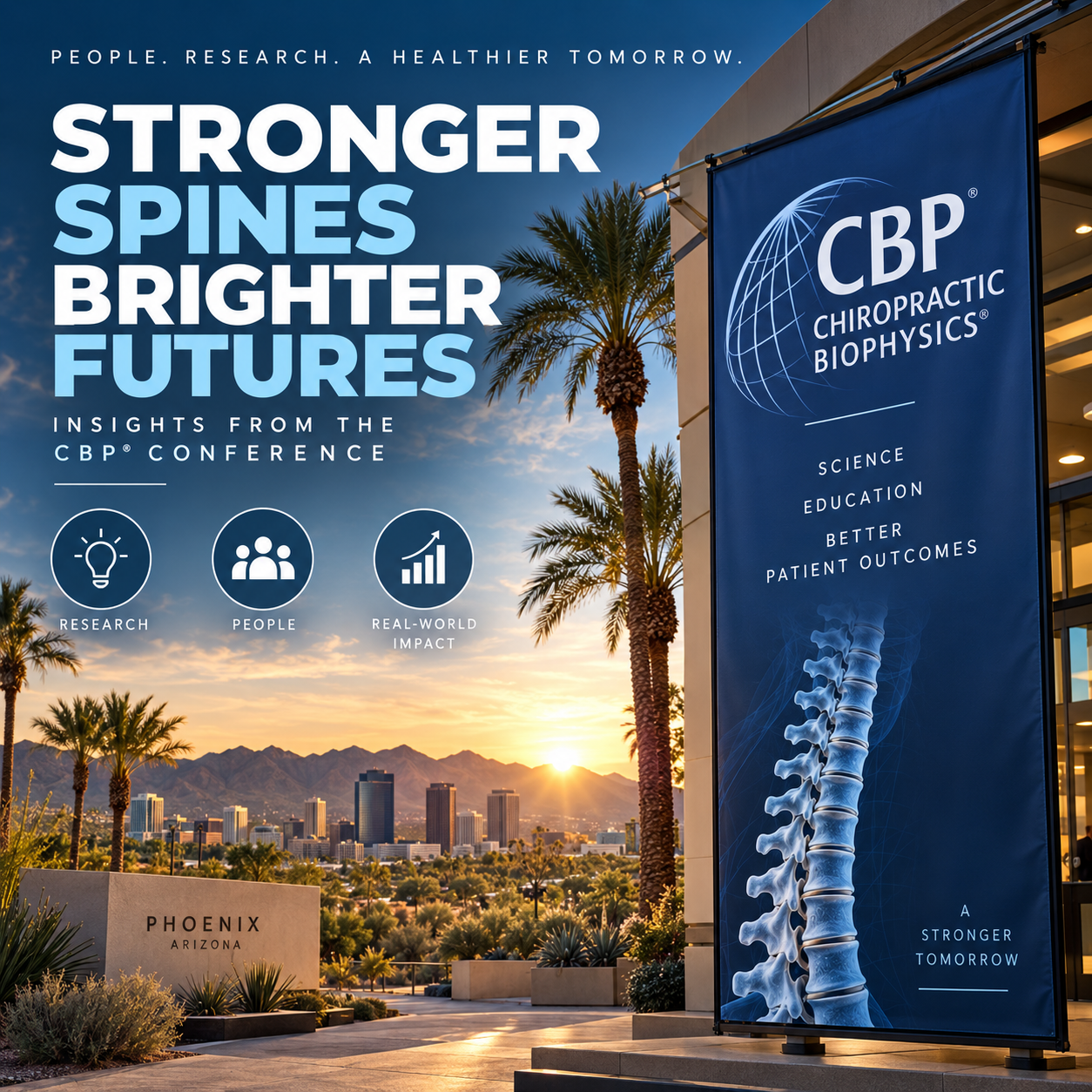
Last weekend I spent three days in Phoenix, Arizona at the 48th Annual Chiropractic BioPhysics® (CBP) conference, a gathering of the researchers and clinicians who form the scientific backbone behind what we do at Structural Chiropractic. It was an inspiring weekend, and I want to share some of the takeaways, because they speak directly to a question I get more than almost any other: can the structure of the spine actually be corrected without surgery?
The answer is yes, and the evidence behind it is deeper than most people realize.
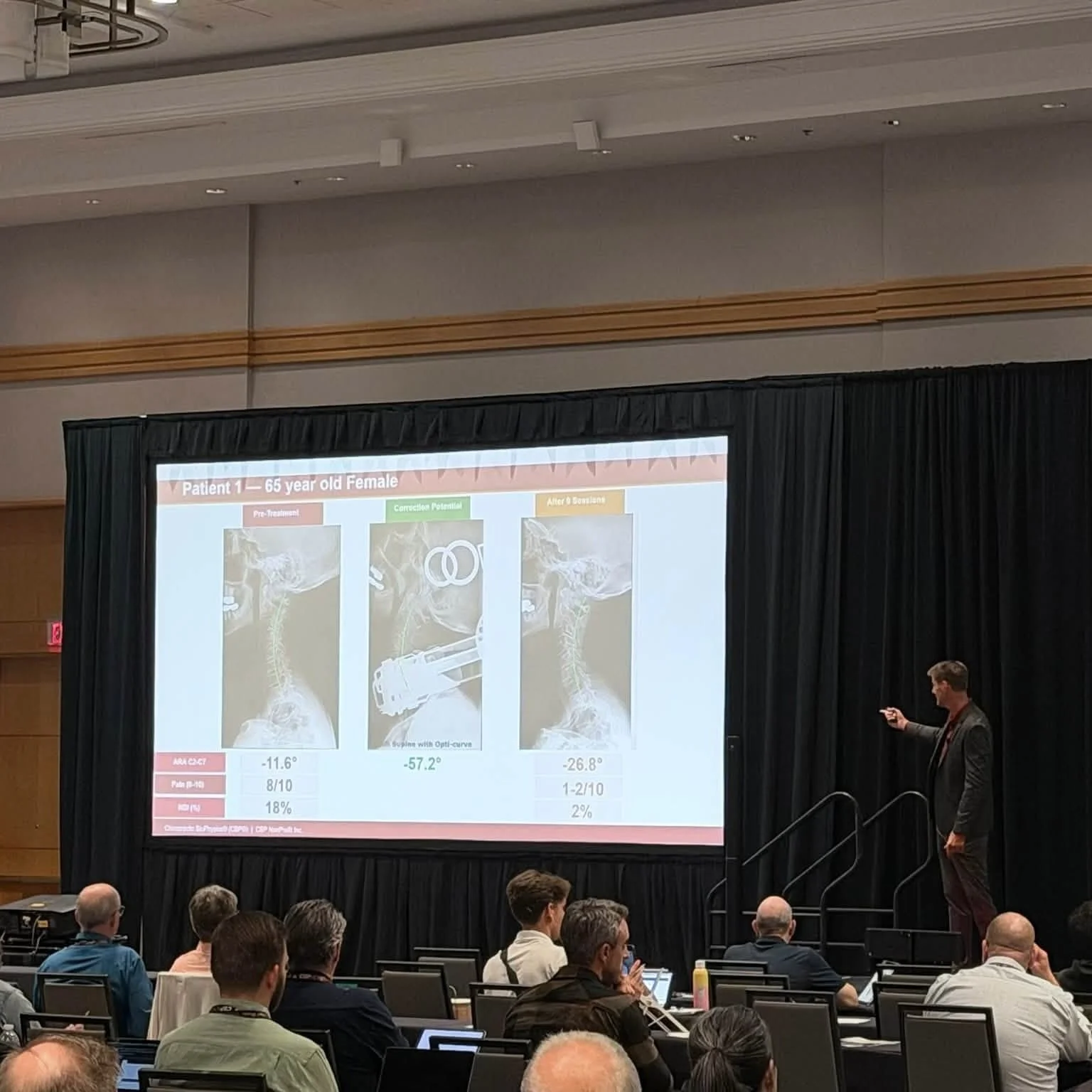
Before I get into the conference, I also want to share some news I received when I arrived home. Structural Chiropractic was just named the #1 Ranked Chiropractor in Bethel Park by BusinessRate, powered by Google Reviews, for August 2026. This award is driven entirely by patient reviews, and I want to take a moment to thank everyone who has trusted this practice, left a review, and referred someone they care about. It means more than I can express.
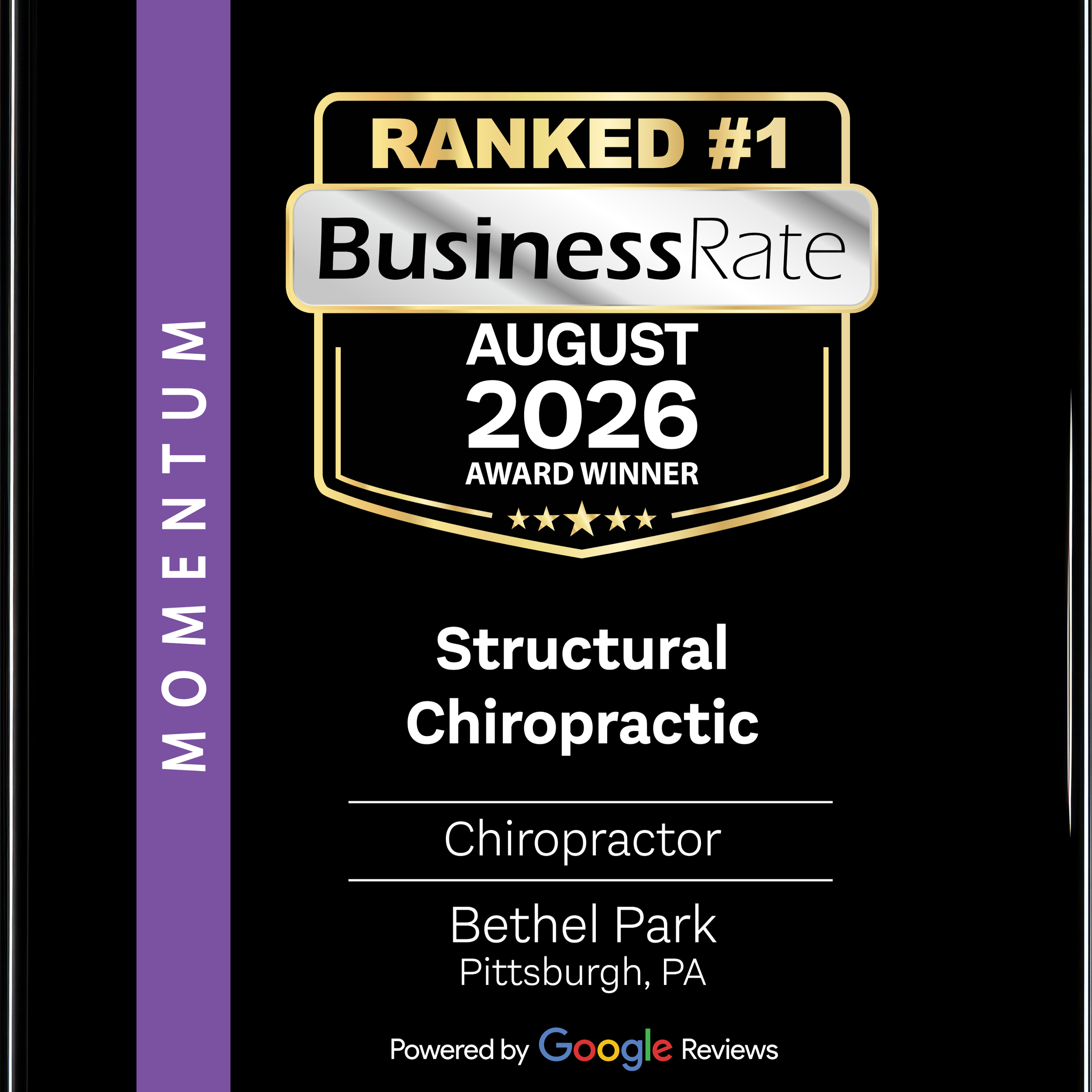
The Research Base Is Nearly 50 Years Deep
Most people don't realize that the field of structural spinal rehabilitation has been developing for nearly half a century. CBP Non-Profit alone has been directly involved in supporting over 380 published research studies across more than 60 peer-reviewed journals, many of them among the most respected in spinal and musculoskeletal healthcare.
Some of the conditions covered in their published research over the past year include:
Several of those topics have been covered in depth right here on this blog over the past few months, and seeing them presented at the research level reinforces exactly why we approach care the way we do.
The Importance of Routine Structural Screening
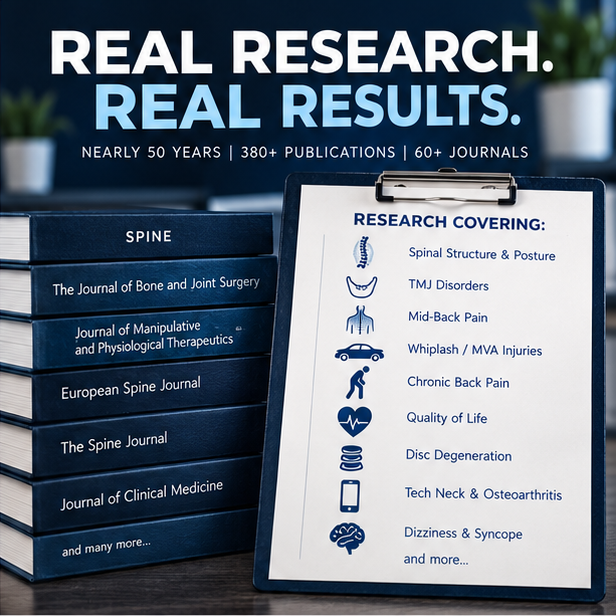
Two presentations at the conference made a strong and unified case for early detection that I want to share directly.
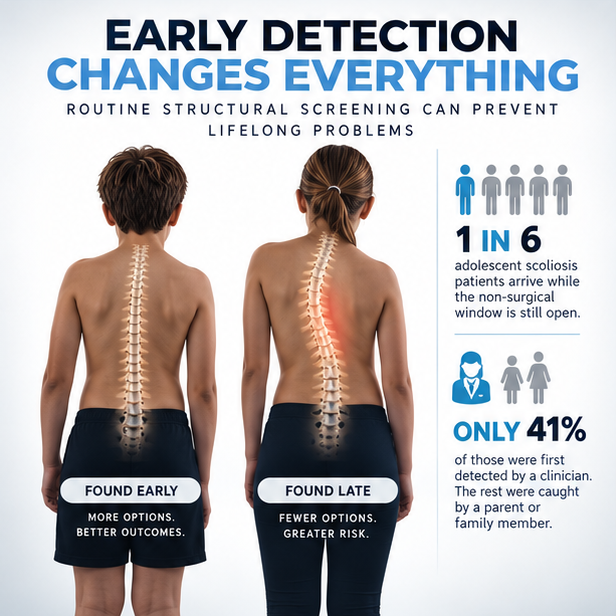
The first was by Rose Mirenzi, who presented published data from 335 adolescent idiopathic scoliosis referrals. Only 1 in 6 patients arrived while the non-surgical window was still open. Put differently, 5 in 6 children who had the most potential for proactive, preventative care were missed. Of those who were referred within that window, only 41% were first detected by a clinician. The rest were caught by a parent or family member.
The second was by Dr. Tim Norton, who presented published data on the stability of structural changes in patients who had been involved in motor vehicle collisions. These patients responded well to structural care, but demonstrated a significant likelihood of regression over time due to ligamentous damage from the original trauma.
In both cases, the research points to the same conclusion: routine structural screening and check-ups are the most reliable way to catch these problems before they progress into deformity and long-term disability. The data consistently shows tha structural problem identified early has significantly more options than one identified late.
Who Structural Chiropractic Can Help
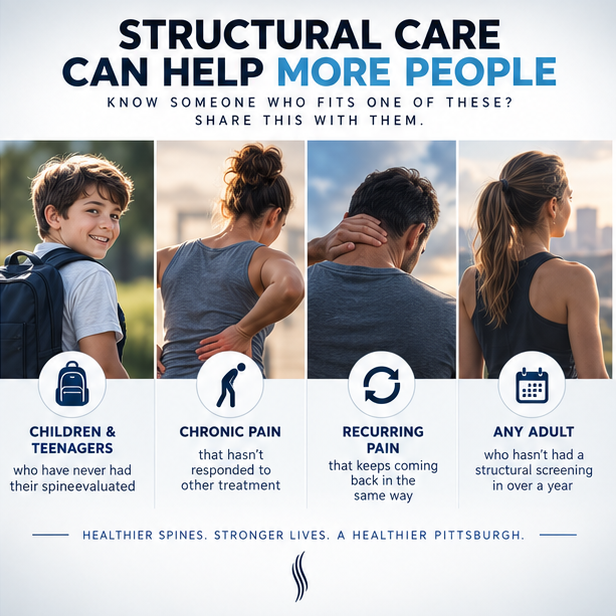
This is the part I'd ask you to share with someone you know. Structural care is appropriate for a much broader population than most people assume, and the people who would benefit most are often the ones who have never considered it.
A child or teenager who has never had their spine structurally evaluated, especially now that school is back in session and backpacks, desks, and screens are part of every day.
Someone dealing with chronic pain that hasn't responded to other treatment.
Someone whose pain has improved in the past but keeps coming back in the same way, which is one of the clearest signs of an unaddressed underlying structural abnormality.
Any adult who hasn't had a structural spinal screening in over a year.
A complimentary consultation is the starting point for anyone in that picture. There's no obligation, and the information it provides is specific and objective in a way that can identify these problems that standard physicals often overlook.
Why This Conference Matters to You
The clinicians and researchers in this space are asking the right questions: how much can the spine change, how durable are those changes, and who benefits most from early intervention? The answers they're finding, and publishing in the highest-quality journals available, are the same answers that drive the care we deliver here every day.
Non-surgical structural correction isn't a promise. It's a documented, evidence-based process with nearly 50 years of research behind it. The question isn't whether it works. The question is whether the right people are finding their way to it in time.
If you have questions about where your structure stands, or want to refer someone who might benefit, call us at (412) 835-4844, visit structuralchiropit.com, or tap the button below to schedule your complimentary consultation.